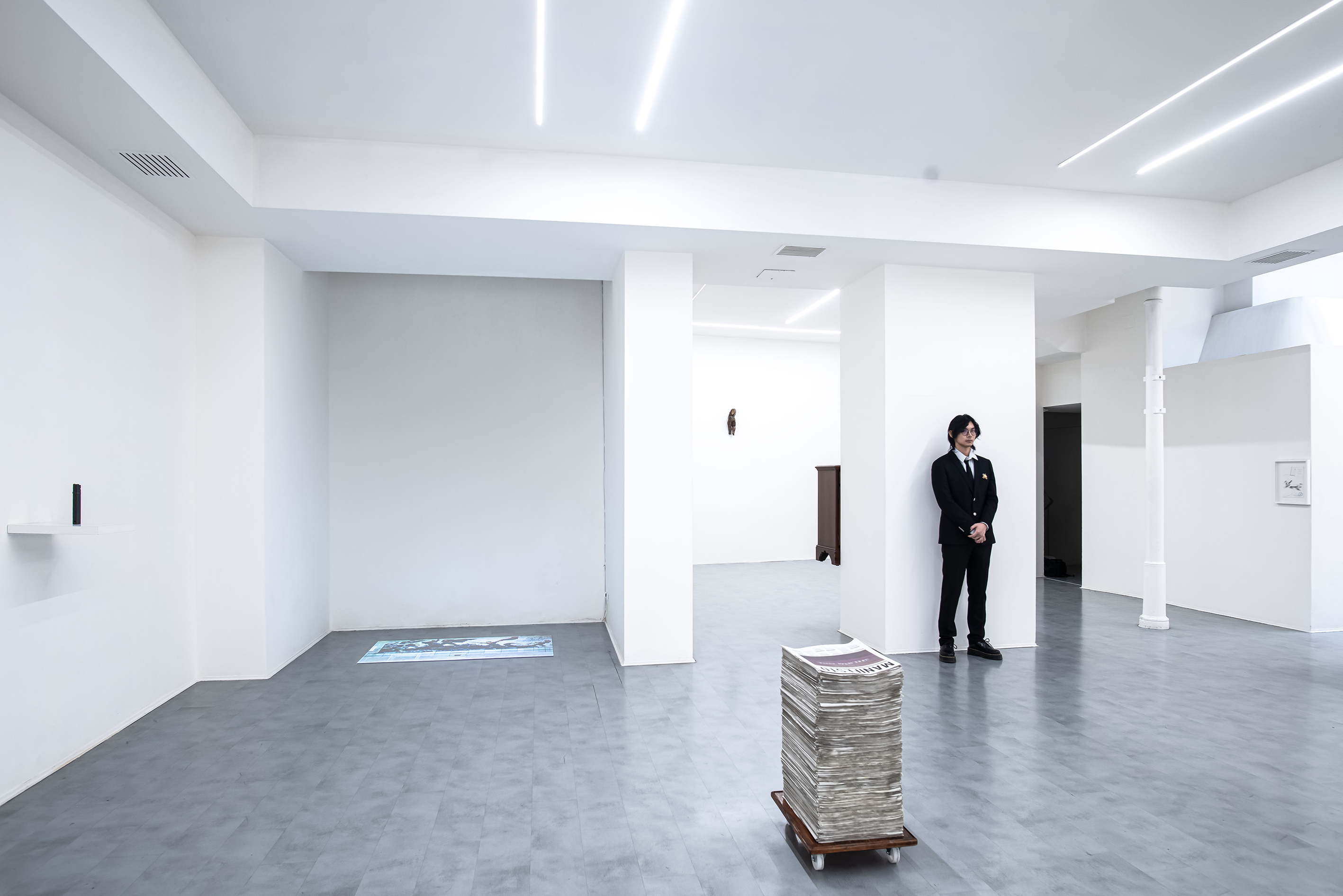
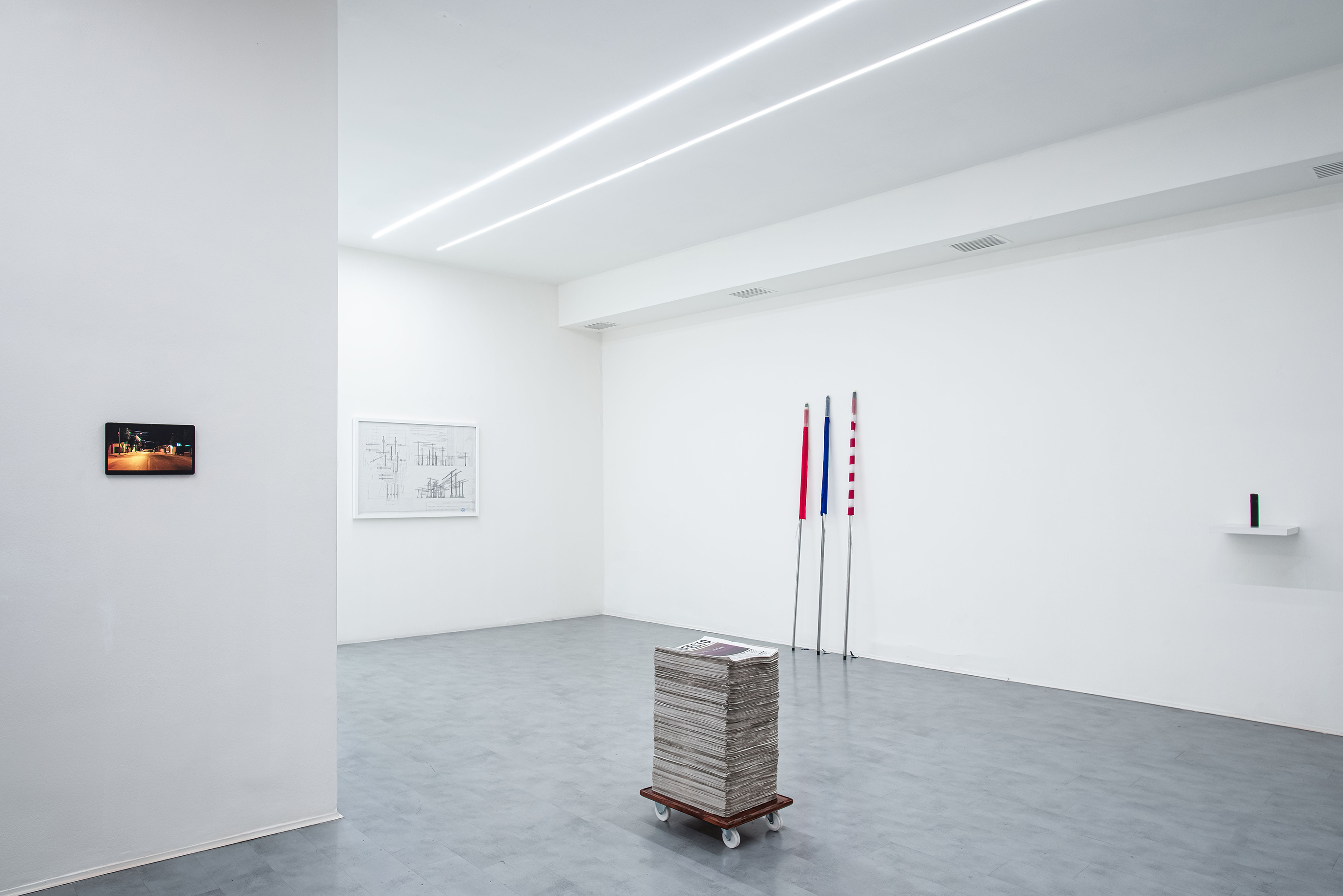
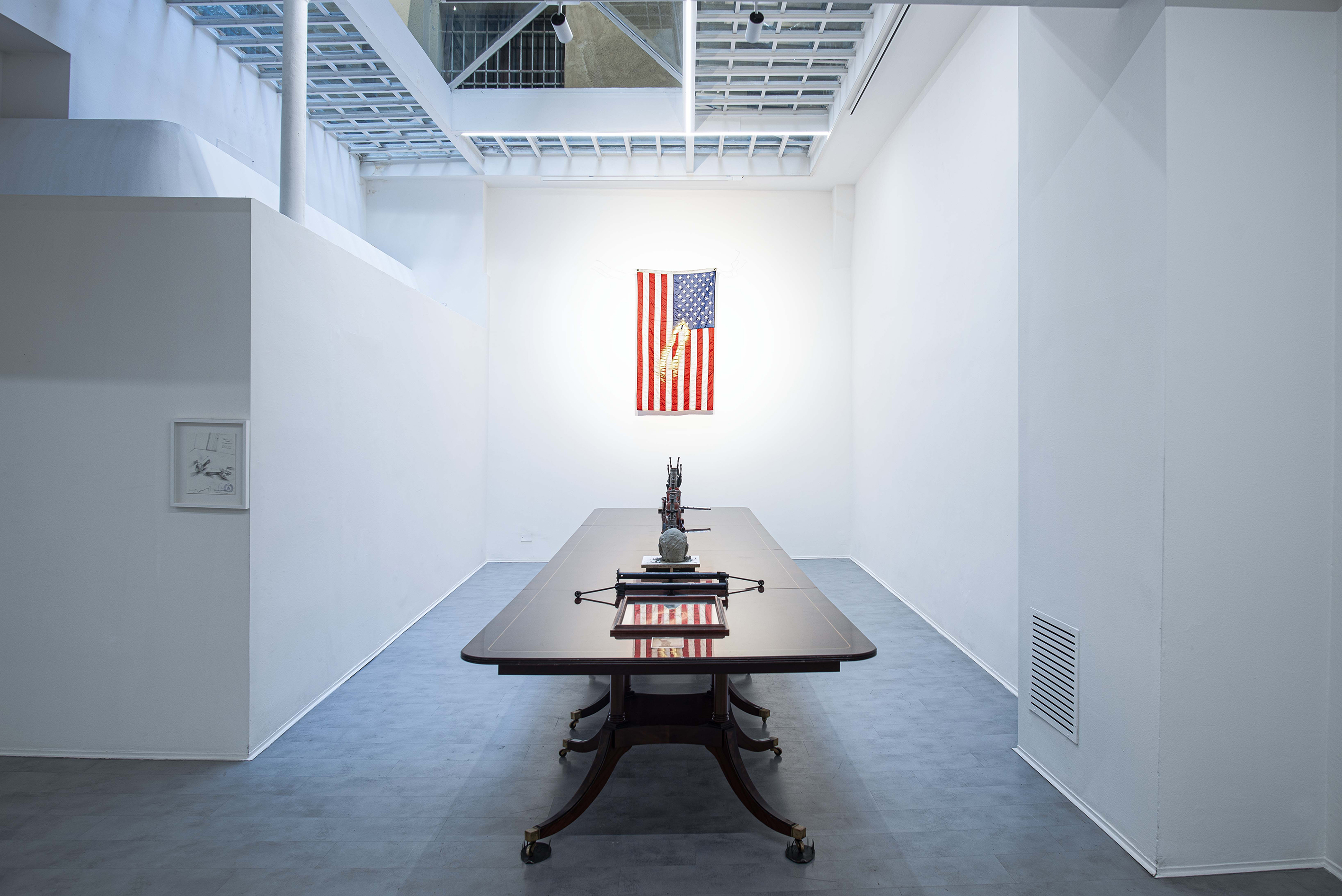
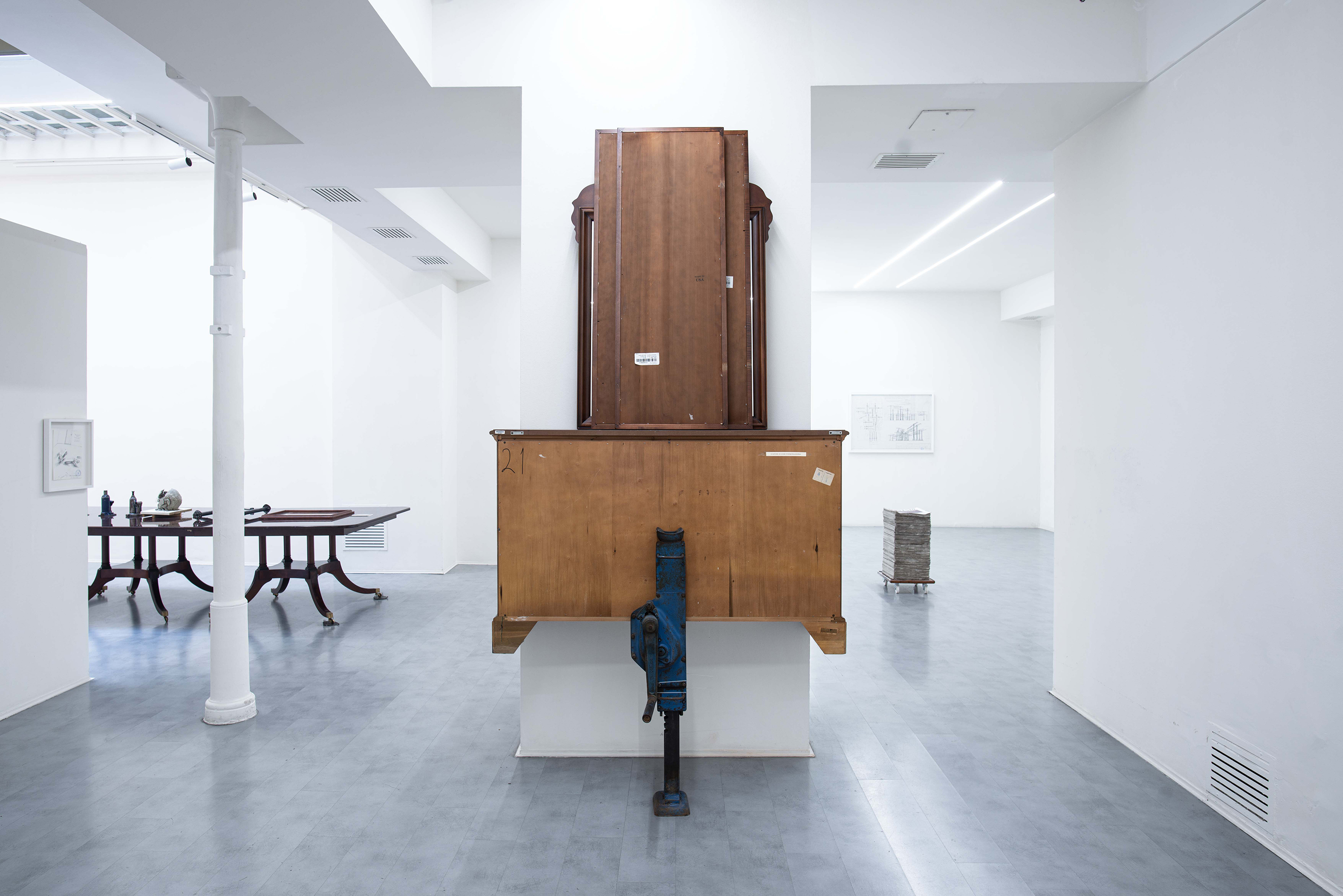
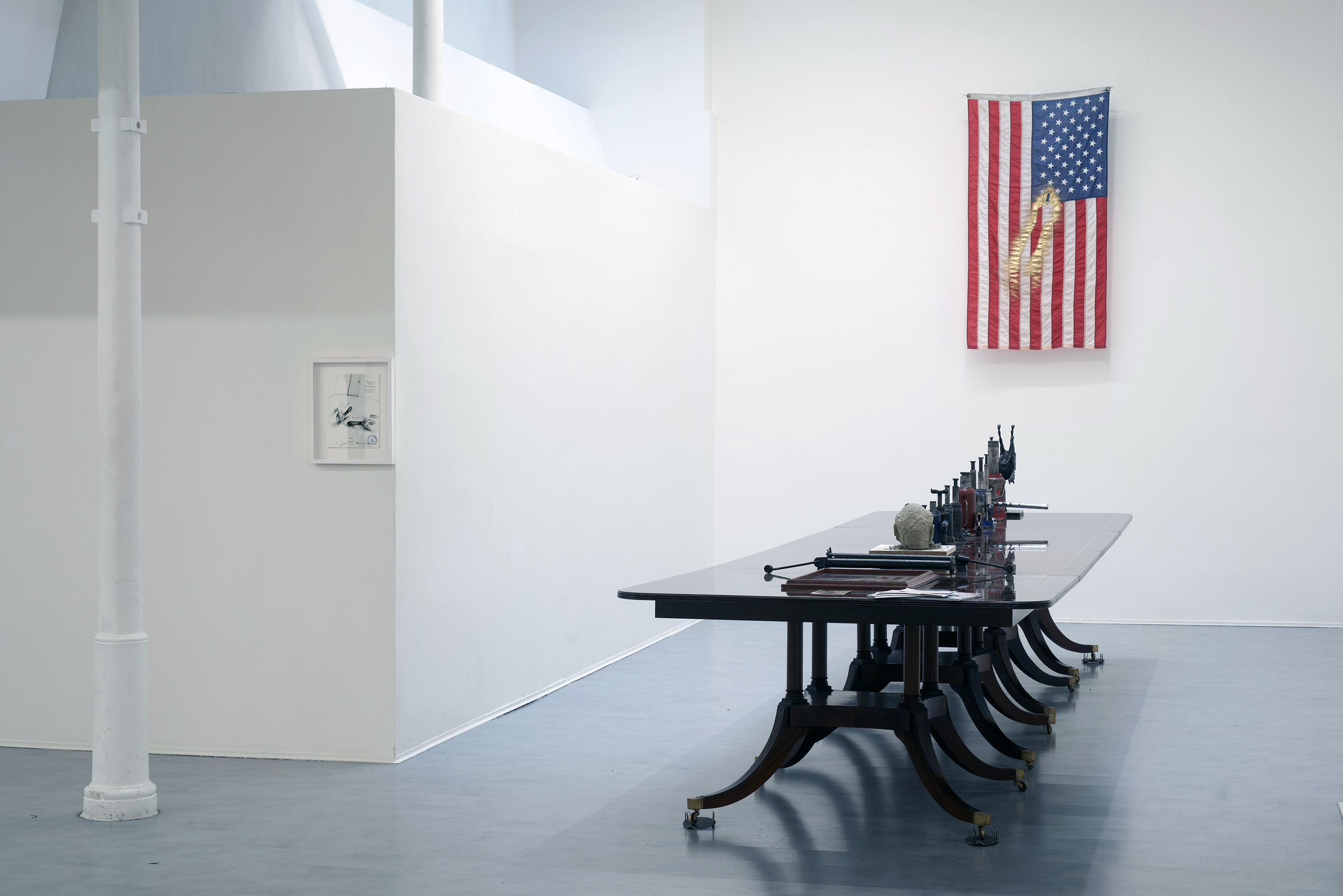
Galleria de'Foscherari is pleased to present PUSHING THE LIMITS, an un-exhibition by DebatikCenter of Contemporary Art (D.C.C.A.). The project aims to offer a critical look at the artistic practices of this independent art center founded in Bologna in 2003 by Armando Lulaj as a tool for cultural and political resistance against the dominant narratives and models imposed by global neoliberalism.
PUSHING THE LIMITS, curated by Fabiola Naldi, represents a significant encounter between two entities that, while operating on different levels, share a common ground and a profound intellectual affinity: on the one hand, the Galleria de'Foscherari, a historic Bologna institution that has helped shape the history of contemporary art in Italy; on the other, the DebatikCenter of Contemporary Art (D.C.C.A.), one of the most ambitious and audacious independent Albanian art centers of the last decade, a critical laboratory and driving force of international artistic experimentation.
The D.C.C.A. defines itself as a phantasmatic art center that operates like a virus within the local and international art scene, investigating the consequences of the forced transition to a free market while rejecting the logic of cultural normalization. The curator's invitation to the D.C.C.A. to return to Bologna allows for a critical analysis of the issues that are the primary focus of the Albanian art center itself: the economic, political, and cultural transformations that have upended Albania since the early 1990s and which persist to the present day in various guises, including increasingly autocratic ones.
Galleria de'Foscherari is a unique host for the project, as the only gallery—according to the curator's intention—that could "act" in complete synergy with the goals of PUSHING THE LIMITS.
The project also demonstrates the transformation of the D.C.C.A. itself, which in 2017 reorganized itself under the direction of Jonida Gashi, Armando Lulaj, and Pleurad Xhafa, who radically redefined its objectives in relation to the visual arts, cinema, critical thinking, and political action. The center today presents itself as a militant cultural device, capable of operating in public spaces and intervening in the symbolic and material conflicts of the present. It develops a lucid analysis of the past, maintains a critical and uncompromising gaze on the consolidation of the neoliberal paradigm, focuses on the fractures in social reality, and opens a new chapter in the historical and artistic narrative of Albania—and, by extension, of all those contexts marked by forced transitions and denied memories.
PUSHING THE LIMITS presents a selection of works spanning over two decades of activity at the DebatikCenter of Contemporary Art. The archival materials and the large installations of the principal collectives that have animated the spirit of D.C.C.A., including Underground Movement, La Société Spectrale, and Manifesto Collective are displayed in dialogue with important works by Armando Lulaj and Pleurad Xhafa. Conceived as an archive of decline, this un-exhibition is divided into three thematic sections, addressing geopolitical and cultural issues related to the Middle East, the United States, and Italy, respectively, analyzed through the critical prism of Albania's historical and political position within these global structures and mechanisms. These works develop a profound reflection on crucial themes such as the exercise of power, systemic violence, the decline of US hegemony and the neoliberal empire, and ultimately touch on the central question of rewriting history.
PUSHING THE LIMITS is a conscious and radical act of provocation: every work, every gesture, every fragment of cutting irony acts as a direct attack on the present—and on what our immediate present risks becoming. It is not simply an exhibition, but a field of action in which art becomes an instrument of real interference, capable of producing friction, disorder, and transformation. Ultimately, these works are not "installed"; they occupy an inhospitable space, where any maneuver seems precluded, and precisely for this reason they aim to push boundaries, trigger social and political friction, generating a permanent conflict that extends beyond the confines of the art system, society, and politics.